
What the major asset freeze in India means
The phrase major asset freeze in India immediately draws attention to the front-page of business news. When a high-profile corporate group’s assets are legally blocked, it underscores that regulatory enforcement is escalating, and corporate governance is in sharper focus.
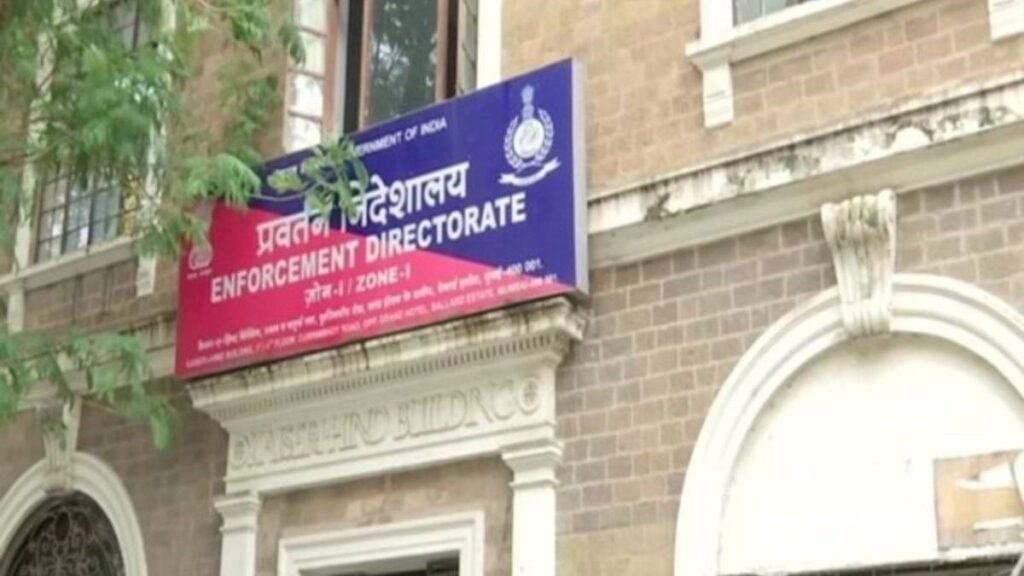
In early November 2025, the Enforcement Directorate (ED) in India initiated a major asset freeze in India targeting assets linked to the Anil Ambani-led Reliance Group. (Reuters) The move sends a strong signal about regulatory risk, especially for large conglomerates with complex financial structures.
This blog explores what lies behind the major asset freeze in India, the mechanics of regulatory action, and why investors and companies alike should take note.
What triggered the major asset freeze in India
Detailed investigations uncovered several triggers for the freeze:
- The ED alleges that between 2017-2019 the group raised large loans from YES Bank via its companies Reliance Home Finance Ltd (RHFL) and Reliance Commercial Finance Ltd (RCFL). (www.ndtv.com)
- The loans are claimed to have been diverted through shell companies and mutual-fund routes, with weak borrower profiles and missing documentation. (Republic World)
- The action is rooted in the Prevention of Money Laundering Act (PMLA) framework under which ‘provisional attachments’ can be issued to freeze assets suspected to be proceeds of crime. (www.ndtv.com)
These elements combined led to the major asset freeze in India.

Key components of the major asset freeze in India
Here are the facts and figures around this freeze:
- The ED has provisionally attached over 40 properties worth more than ₹3,000 crore (≈US$350 million) linked to the group.
- The assets include residential units (such as the Pali Hill bungalow of Anil Ambani), land parcels in prime locations, and corporate real-estate holdings across major cities like Mumbai, Delhi, Pune, Hyderabad, Chennai and East Godavari.
These attachments were done via multiple orders issued on 31 October 2025 under PMLA
Why this major asset freeze in India matters for markets & investors
When a major asset freeze in India takes place, the implications go beyond one group. Here’s why it matters:
- Investor sentiment gets jolted: A major asset freeze in India triggers concern about corporate-governance standards, and investor appetite may shrink for similarly structured firms.
- Credit risk rises: For banks and financial institutions that lent to the group, a major asset freeze in India increases the possibility of non-recoverable debt.
- Contagion risk exists: If one conglomerate is shown to have systematic control failures, others in the sector may face increased scrutiny, leading to a broader reassessment of risk.
- Regulatory environment tightening: This major asset freeze in India signals that regulators are becoming more proactive and less tolerant of complex financial structures, meaning businesses must reassess their transparency and compliance.
- Market re-pricing: Assets, valuations and share-prices of firms in the group-ecosystem or peer sector may be re-priced downward due to the shock of a major asset freeze in India.

Five major impacts of the major asset freeze in India
Here are five tangible outcomes emerging from the freeze:
Impact 1: Decline in share-prices of associated companies
After the major asset freeze in India was announced, shares of several firms tied to the Reliance Group slid noticeably. For example, as reported: the stock of Reliance Infrastructure fell nearly 5% on the day of the attachment news. (The Financial Express)
Impact 2: Lending posture of banks gets cautious
Banks that had exposures to the group via RHFL and RCFL will now have to review their provisioning for potential bad loans. The major asset freeze in India magnifies credit-risk concerns.
Impact 3: Stronger regulatory enforcement signals
With the major asset freeze in India, the ED under PMLA is showing that corporate assets can be attached proactively. This may lead to more cases, more caution among promoters and stronger compliance frameworks in firms.
Impact 4: Corporate behaviour adjustments
When a major asset freeze in India occurs, companies may allocate more resources to governance, audit trails, and risk management. The freeze serves as a wake-up call that opaque structures and leverage may attract regulatory blow-back.
Impact 5: Real-estate valuation pressure
Many of the assets frozen are land parcels and high-value real-estate held by the corporate group. A major asset freeze in India can place downward pressure on valuations of similar property portfolios, as the risk of attachment becomes more salient.
You may also like:
frequently asked questions
“major asset freeze in India” means that the regulator (such as the ED) uses powers under laws like PMLA to attach or block assets (real estate, shares, land, bank accounts) of a company or individual when funds or transactions are suspected to be linked to crime or fraud.
In this case, the major asset freeze in India targets properties worth thousands of crores, limiting the group’s ability to transact, sell or leverage those assets — hence reducing flexibility, raising risk and undermining investor confidence.
Typically, attachments are provisional under the major asset freeze in India scenario, meaning they are pending investigation outcomes and legal adjudication. They prevent disposal or transfer of assets until the case is resolved.
Yes. Shareholders may see reduced value, while creditors face increased risk of non-recovery. The major asset freeze in India essentially signals elevated financial stress for the group, which may impact all stakeholders.
When such a situation arises, investors should:
- Review exposure to the affected group and its suppliers/clients.
- Monitor debt levels and governance disclosures.
- Consider hedging or reducing exposure to sectors with similar risks.
- Track regulatory updates and legal outcomes related to the major asset freeze in India.
Conclusion: What lies ahead
The major asset freeze in India is more than a headline. It marks a turning point in how regulators treat large corporate groups, especially those with complex financing and inter-linked structures. For the Reliance Group case, the freeze may lead to stronger emphasis on recovery mechanisms, increased scrutiny of real-estate holdings and tighter governance frameworks.
For the wider market, this is a catalyst to reassess risk: If a prominent group can be hit by such a freeze, others might as well. That means corporate transparency, debt levels and asset structures matter more than before.