
Nvidia Corporation Becomes the First US Company Valued at $5 Trillion — A Defining Moment in Tech History

In a historic financial milestone, Nvidia Corporation becomes the first US company valued at $5 trillion, cementing its place as the undisputed leader of the global artificial intelligence (AI) revolution. The company’s exponential rise reflects the massive demand for AI computing power, data center infrastructure, and advanced graphics processing units (GPUs) that fuel modern digital transformation.
Founded in 1993 and once known primarily for gaming chips, Nvidia has evolved into the backbone of the world’s AI infrastructure. As of October 2025, its market capitalization officially crossed the $5 trillion mark — a record never before achieved by any American company.
The Journey: From Gaming to AI Superpower
The story of how Nvidia Corporation becomes the first US company valued at $5 trillion is one of innovation, vision, and perfect timing. While companies like Apple and Microsoft pioneered personal computing and software, Nvidia’s foresight into the future of AI reshaped the entire tech landscape.
Nvidia’s GPUs, once designed for gaming graphics, are now the heart of AI training systems used in autonomous vehicles, cloud computing, robotics, and generative AI tools like ChatGPT. Its flagship chip series — the H100 and the upcoming Blackwell architecture — have become the gold standard for machine learning workloads.
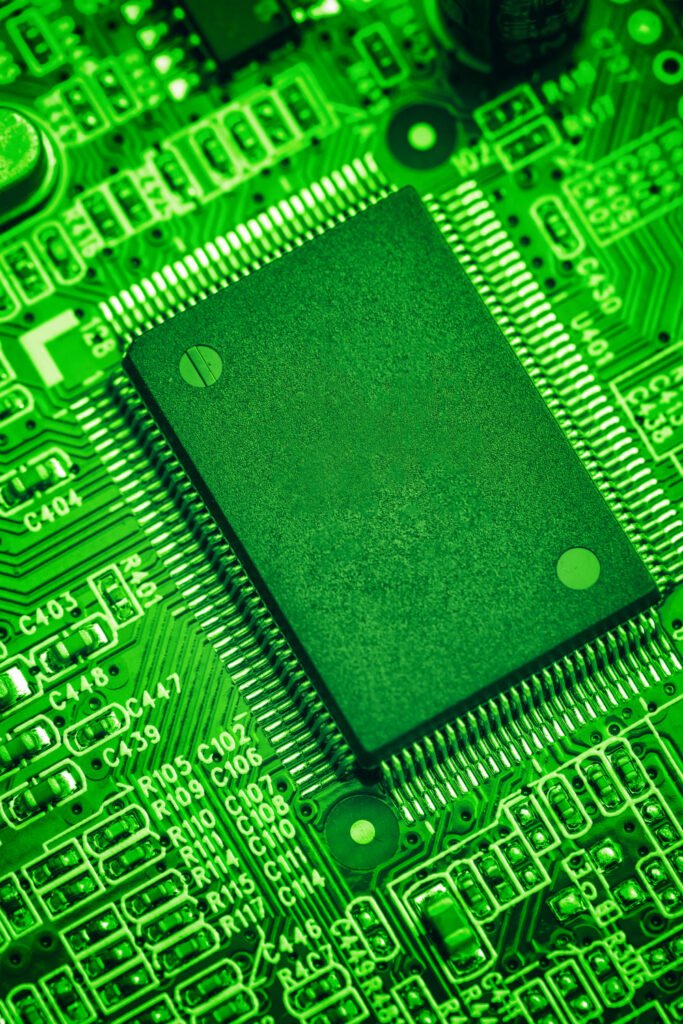
This transformation didn’t happen overnight. Over the past decade, Nvidia’s strategic pivot toward data centers and AI research fueled its meteoric rise, turning it into the most valuable semiconductor company in history.
AI Boom: The Core Driver Behind Nvidia’s $5 Trillion Valuation
The reason Nvidia Corporation becomes the first US company valued at $5 trillion is the unprecedented boom in artificial intelligence investments worldwide. Companies and governments alike are racing to build AI infrastructure — and nearly all roads lead to Nvidia.
- Global AI spending is expected to exceed $400 billion by 2026, with data centers accounting for a major share.
- Nvidia controls an estimated 80% of the high-end GPU market for AI and machine learning applications.
- Demand from tech giants like Amazon, Google, Microsoft, and Meta has outstripped supply, pushing Nvidia’s revenue and profit margins to record levels.
Each AI breakthrough — from self-driving cars to large language models — depends on Nvidia’s hardware ecosystem. This dominance explains why investors have rewarded the company with such a massive valuation premium.
Stock Market Euphoria and Investor Confidence
Following the announcement that Nvidia Corporation becomes the first US company valued at $5 trillion, global markets responded with enthusiasm. Nvidia’s stock soared by nearly 6% in a single day, adding over $250 billion to its market cap.
Wall Street analysts describe Nvidia as the “engine of the AI economy.” Its consistent double-digit quarterly growth and strong earnings guidance have strengthened investor confidence. Even amid broader market volatility, Nvidia continues to outperform peers like AMD, Intel, and even Big Tech companies.
Nvidia’s inclusion in major indices like the S&P 500 and Nasdaq-100 also amplifies its influence on market trends. For retail and institutional investors alike, Nvidia has become the ultimate proxy for the AI revolution.

How Nvidia’s Growth Impacts the Global Tech Landscape
When Nvidia Corporation becomes the first US company valued at $5 trillion, the implications extend beyond Wall Street. The company’s rise symbolizes a major technological shift — from software-driven growth to hardware-powered intelligence.
- AI Infrastructure Expansion:
Governments and private firms are investing heavily in AI supercomputers, most of which rely on Nvidia’s chips. - Global Supply Chain Reorientation:
Chip manufacturing partners like TSMC (Taiwan Semiconductor Manufacturing Company) are scaling up production to meet Nvidia’s demand, reshaping global semiconductor supply dynamics. - Increased Competition:
Tech rivals such as Intel, AMD, and new players like Cerebras and Graphcore are racing to catch up — but Nvidia’s ecosystem advantage remains unmatched. - Economic Influence:
Nvidia’s success has boosted the U.S. tech sector’s global competitiveness, influencing everything from national AI strategies to venture capital funding patterns.
Challenges Ahead Despite the $5 Trillion Triumph
While Nvidia Corporation becomes the first US company valued at $5 trillion, the journey ahead is not without challenges. The company faces increasing scrutiny from regulators over AI ethics, antitrust concerns, and geopolitical tensions affecting chip exports.
Additionally, the semiconductor industry is cyclical. Any slowdown in AI spending or disruption in chip manufacturing could impact Nvidia’s momentum. Competitors are aggressively innovating, and governments are pushing for more local chip production — factors that could alter Nvidia’s dominance over time.
However, Nvidia’s deep integration into AI frameworks and its robust software ecosystem (CUDA, TensorRT, Omniverse) give it a strategic moat that few can rival.
Impact on Indian and Global Markets
The news that Nvidia Corporation becomes the first US company valued at $5 trillion has global ripple effects

In India, tech and semiconductor-related stocks saw a surge as investors anticipated increased demand for AI infrastructure and design partnerships. Indian IT firms like TCS, Infosys, and Wipro, which provide AI development services, stand to benefit indirectly.
Globally, Nvidia’s milestone reinforces investor faith in the AI sector, encouraging more startups and funds to enter the space. Even central banks and policymakers are watching closely, recognizing AI’s growing role in economic productivity.
A New Era in Market Leadership
By achieving this landmark valuation, Nvidia Corporation becomes the first US company valued at $5 trillion — surpassing tech titans like Apple, Microsoft, and Amazon. This milestone represents more than financial success; it marks the dawn of a new era where artificial intelligence defines corporate power and market direction.
Nvidia’s CEO, Jensen Huang, called it “a reflection of humanity’s collective progress toward accelerated computing and AI.” Indeed, Nvidia’s ascent is not just about chips — it’s about enabling the next generation of innovation that will shape how humans work, create, and communicate.
You may also like:
Conclusion: The Legacy of a Trillion-Dollar Vision
In summary, Nvidia Corporation becomes the first US company valued at $5 trillion, signaling a paradigm shift in the global economy. It stands as a symbol of the AI age — where computing power drives growth, data is the new oil, and innovation defines leadership.
As the AI wave continues to expand, Nvidia’s journey will serve as a blueprint for future tech giants. Its success story is a powerful reminder that strategic foresight, innovation, and timing can redefine what’s possible in the modern economy.