
Federal Reserve Cuts U.S. Interest Rates by 25 Basis Points: What It Means for the Global Economy
In a much-anticipated move, the Federal Reserve cuts U.S. interest rates by 25 basis points, marking a strategic shift in its monetary policy stance amid slowing economic growth and moderating inflation. The decision comes after months of speculation and reflects the central bank’s cautious optimism toward stabilizing the economy without triggering a recession.
This Federal Reserve cut of 25 basis points has immediately sent ripples through global financial markets, influencing everything from stock prices and bond yields to currency movements and commodity prices.
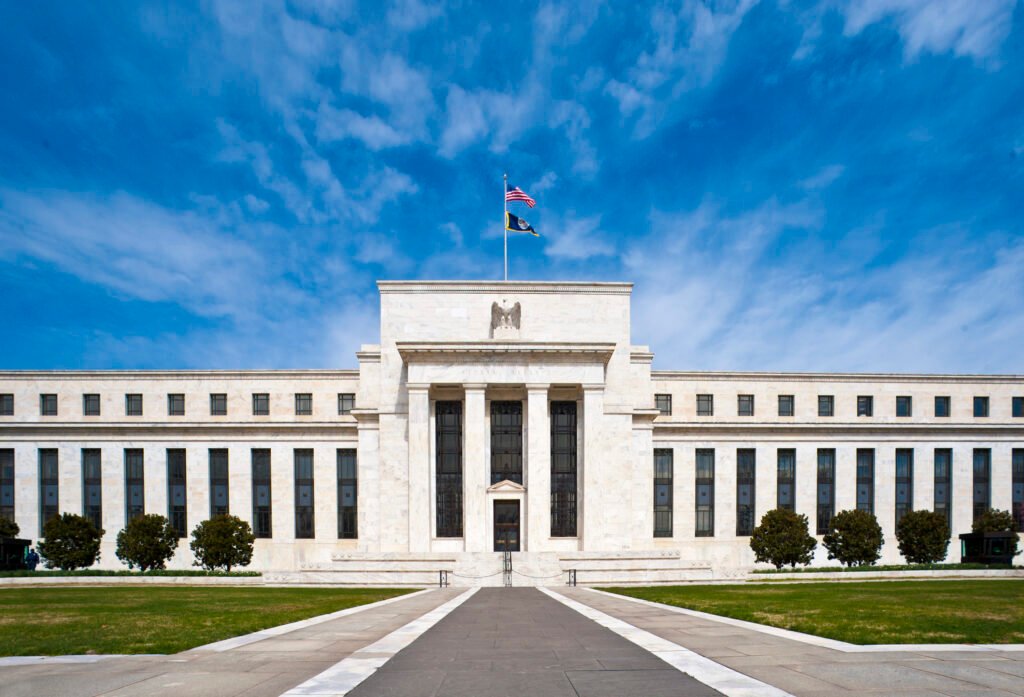
Why the Federal Reserve Cuts U.S. Interest Rates by 25 Basis Points Now
The decision by the Federal Reserve to cut interest rates by 25 basis points is primarily driven by mixed economic indicators. Inflation, while down from its 2023 peaks, remains slightly above the Fed’s target of 2%. Meanwhile, job growth is slowing, and manufacturing output has shown signs of stagnation.
By lowering the federal funds rate, the Fed aims to:
- Support borrowing and investment
- Encourage consumer spending
- Prevent a potential economic slowdown
However, policymakers were clear that this is not the beginning of an aggressive easing cycle. Chair Jerome Powell emphasized that further cuts will depend on data, suggesting a data-dependent and cautious approach to future monetary actions.
Market Reaction After the Federal Reserve Cut of 25 Basis Points
Following the announcement, Wall Street reacted positively, with the Dow Jones and Nasdaq hitting new highs. The yield on the 10-year Treasury note fell, reflecting investors’ expectations of a lower interest rate environment.
Technology stocks, particularly AI and semiconductor companies, continued to benefit from the liquidity optimism created after the Federal Reserve cut interest rates by 25 basis points. However, analysts warned that the rally may be short-lived if inflation rebounds or growth data weakens further.
In the bond market, traders priced in the possibility of one more Federal Reserve rate cut later this year, though Fed officials remain non-committal.
Impact on the U.S. Dollar and Global Currencies
The Federal Reserve cuts U.S. interest rates by 25 basis points—and that has an immediate weakening effect on the U.S. dollar. As yields fall, global investors shift toward higher-yielding assets in emerging markets.
Currencies like the Indian Rupee, Brazilian Real, and South African Rand gained slightly after the announcement. The euro and yen also strengthened modestly.
For multinational businesses and exporters, this policy change improves trade competitiveness, as a weaker dollar makes U.S. goods cheaper abroad.
How the Federal Reserve Cut Affects Inflation and Consumers
When the Federal Reserve cuts U.S. interest rates by 25 basis points, borrowing becomes cheaper. This affects:
- Home loans: Mortgage rates could decline, boosting housing demand.
- Auto and personal loans: Easier financing encourages consumer spending.
- Savings: Lower interest rates reduce returns on deposits and savings accounts.
However, economists caution that too much rate cutting could re-ignite inflationary pressures. The Federal Reserve is walking a fine line between stimulating growth and maintaining price stability.
For consumers, the short-term benefit lies in reduced loan costs, but the long-term challenge remains managing inflation expectations.
Impact on Emerging Economies, Especially India
The Federal Reserve cut of 25 basis points also impacts emerging markets like India. Historically, rate cuts in the U.S. encourage foreign institutional investors (FIIs) to move funds into high-growth markets, leading to stronger capital inflows.
For India, this could mean:
- A stronger rupee due to FII inflows
- Rising stock markets, particularly in banking and technology sectors
- Lower bond yields, reducing government borrowing costs
However, Indian policymakers must balance these inflows with their own inflation and interest rate objectives. The Reserve Bank of India (RBI) is unlikely to follow suit immediately, given its focus on controlling domestic inflation and maintaining currency stability.
Stock Market Sentiment After the Federal Reserve Rate Cut
Global equity markets are interpreting the Federal Reserve cut of 25 basis points as a signal that the tightening cycle has likely peaked. Investors are optimistic that liquidity conditions will improve, providing support to risk assets.
In India, benchmark indices like the Nifty 50 and Sensex have shown modest gains. Export-oriented sectors such as IT, pharma, and manufacturing are likely to benefit the most, while financial stocks may experience some margin compression due to lower interest income.
For traders, this environment creates opportunities for short-term momentum plays, though caution is advised given potential volatility in U.S. data releases.

Long-Term Outlook: Is This the Start of a Rate-Cut Cycle?
While the Federal Reserve cuts U.S. interest rates by 25 basis points, it’s too early to call this the start of a prolonged easing cycle. Powell and the Federal Open Market Committee (FOMC) have maintained a data-driven stance.
If inflation continues to cool and growth remains sluggish, the Fed may deliver another small cut by year-end. However, if inflation reaccelerates, this could mark a one-off adjustment rather than a sustained policy shift.
Investors and businesses should monitor:
- Core inflation data
- Non-farm payroll trends
- Consumer spending patterns
These indicators will determine whether the Federal Reserve cut evolves into a broader monetary easing phase.
You may also like:
Conclusion: What Lies Ahead After the Federal Reserve Cuts U.S. Interest Rates by 25 Basis Points
The Federal Reserve’s decision to cut U.S. interest rates by 25 basis points reflects a balancing act between supporting growth and controlling inflation. The immediate impact is positive for global equities, emerging markets, and borrowers. However, the longer-term effects will depend on economic data, inflation trends, and geopolitical developments.
For Indian investors, this move opens the door to renewed foreign inflows and market optimism—but also calls for vigilance as global liquidity shifts can change rapidly.
As markets adjust to this new monetary phase, one thing is clear: the era of ultra-high interest rates is slowly giving way to a more accommodative, yet cautious, policy environment.